Start by identifying the business responding to you
The name displayed on a platform, the brand in a brochure and the entity responding to an enquiry may refer to different organisations. Create a record with the full registered company name, the registration number provided and the registered office details. Keep documents received with their date, issuer and original language. A working translation helps you read them but does not replace the reference document.
Canada's Trade Commissioner Service recommends cross-checking the company's registration and status in China's public register, as well as the authority of its representative. These checks concern the company's existence and identity. They should remain separate from the next question: does this business have the resources suited to your order?
Connect the proposal to the site that will manufacture the product
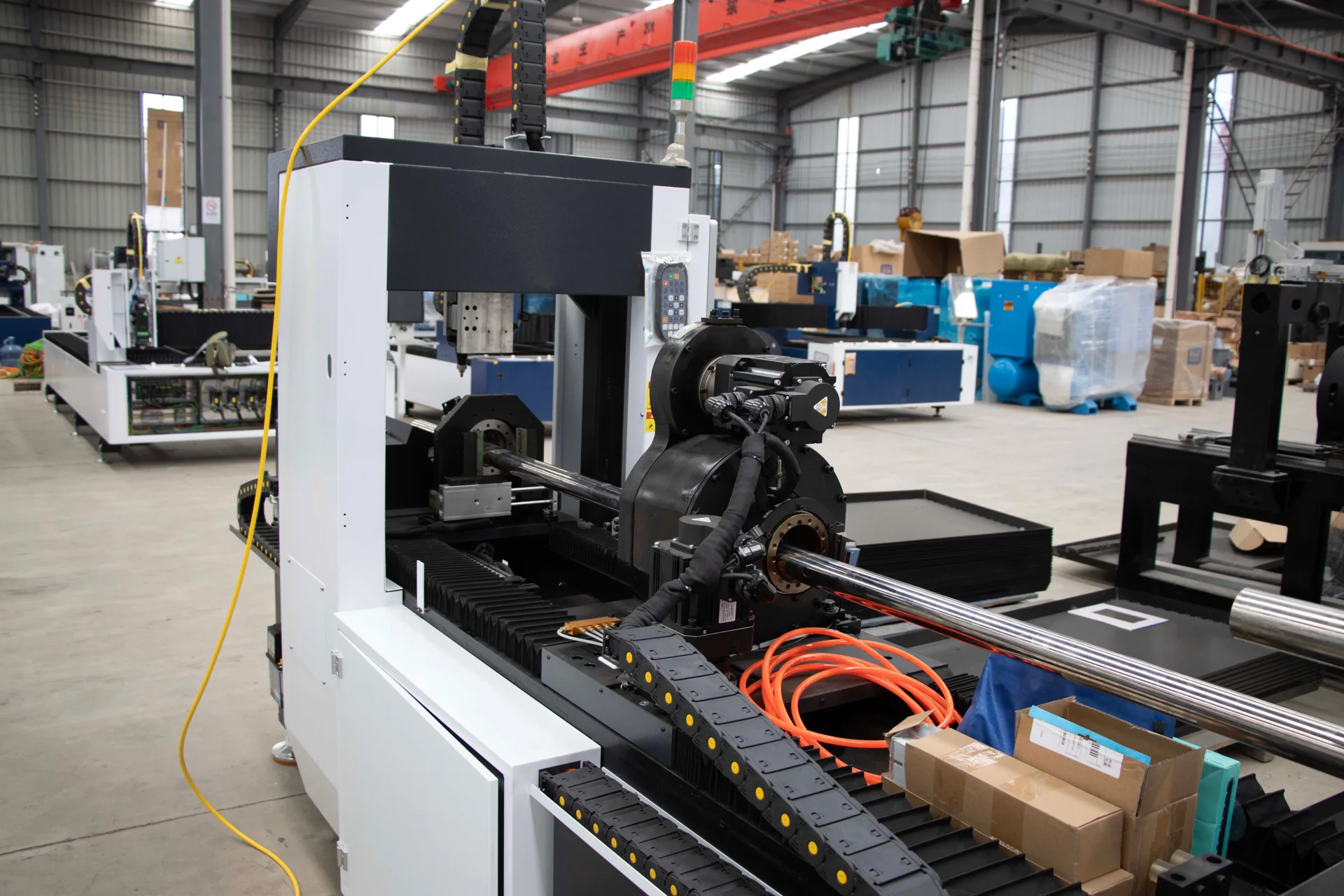
Ask which premises will carry out the operations described in the response. An office address alone does not identify the manufacturing location. The enquiry brief can distinguish the declared site, main operations, related equipment and stages still needing clarification. The objective is to understand how the product will be made without drawing conclusions from an isolated photograph.
When a visit or remote check is being considered, prepare questions tied to the product. For an assembled part, the decisive issue may be control of a fit; for a textile, consistency of material or garment construction. A general tour of a building does not necessarily answer these production questions.
Examine capabilities against your product specifications
A stated capability becomes useful when connected to the product reference to be manufactured. Ask for details of materials worked, processes proposed, dimension limits and variants already mastered. A product resembling yours may require different tooling, finishing or inspection methods. Ask what uses an existing process and what would require development.
Prepare a framework with one column for the requirement, one for the response, one for the evidence and one for the open question. This avoids treating a commercial claim as an established characteristic. An unclear answer may lead to a further request, a targeted sample or verification before selection.
- Processes required for the product reference in the enquiry
- Declared equipment and measuring resources
- Materials, finishes and specific operations
- Conditions for producing a representative sample
- Points to confirm before launch
Define the scope of a visit or audit
A workshop visit, a quality management system audit and a product inspection have different objectives. SGS distinguishes assessments of how a site operates from manufacturing or product inspections. Before requesting an assignment, define the decision it should help you make. You can then select the useful observations and documents.
The report must specify the location examined, date, product references observed and limits of the assignment. Any activity not taking place on the day of the visit must be noted. Photographs, interviews and documents reviewed need to be interpreted in context. They do not provide a general guarantee covering all future production.
Keep a record of outstanding issues after selection
Selecting a manufacturer does not automatically settle every question. Some characteristics will be confirmed when the sample is prepared; others during the agreed checks. Record the reasons for the choice, the points accepted and the conditions still to be met. This record allows you to revisit the original reasoning when a new proposal changes the scope.
Maison Brach organises these questions within project follow-up. We connect manufacturers' responses, product references and expected approvals. You can find the information needed to decide the next steps, with a point of contact who keeps track of discussions throughout the assignment.
To gather before the next stage
- Business identity checked against documents received
- Declared manufacturing site clearly identified
- Capabilities compared with product requirements
- Verification scope defined before the assignment
- Outstanding issues and next approvals kept in the follow-up record
Preparation questions
01Is a registered business necessarily a suitable manufacturer?
Registration provides information about identity and status. Product suitability requires separate checks of the site, processes, samples and production conditions.
02Can a video visit be sufficient?
It can help examine points defined in advance. Its scope depends on what is actually shown and documented. Questions not examined must remain open.
03Should only businesses with no outstanding issues be shortlisted?
A clearly defined outstanding issue can be addressed during the project. Its importance, the evidence expected and the point by which it must be resolved before proceeding all need to be known.
Sources & further reading
Sources for this guide and further reading. External references let you find the text and the context in which it was published.
Discuss your project
Supplier verification
Maison Brach prepares the questions and documents to review with your business.
Explore this support