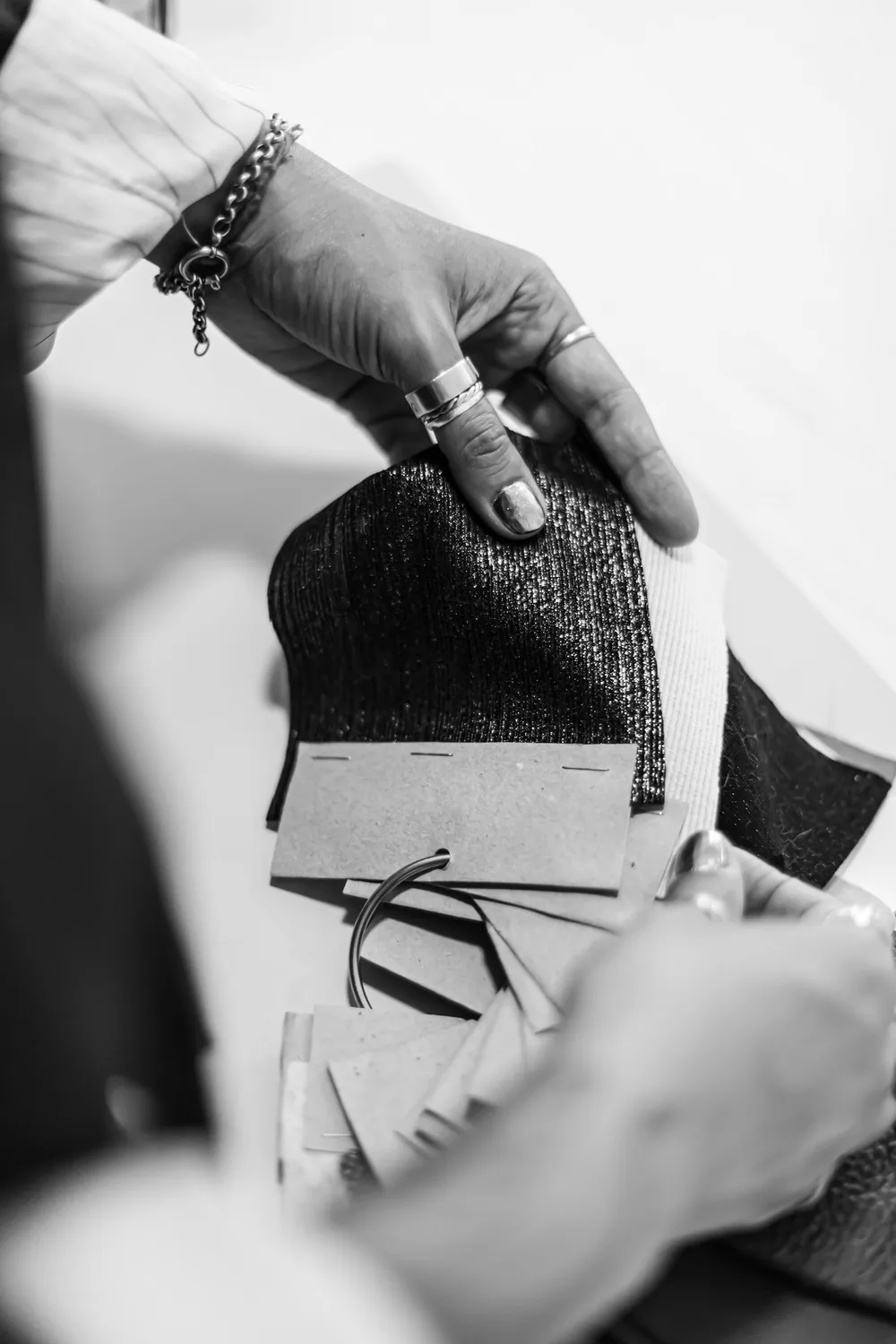
Identify what was presented
The sample receives a reference linked to the product, variant and specification version. Photographs, the receipt date and documents received are attached to this reference. If several samples are circulating, their identification must allow them to be distinguished without hesitation.
It is also important to understand what the piece presented demonstrates. An appearance prototype, a pilot run and a product from the proposed production line do not prove the same things. The manufacturer must explain known differences between the sample and the production proposed.
Distinguish categories of approval
Appearance may concern colour, finishes or graphic references. Operation requires defined testing conditions. Dimensions call for suitable instruments and a measurement method. Compliance documentation requires a separate review.
An approval sheet organises these matters and identifies the owner of each decision. When a check cannot be carried out, it remains open. An attractive sample must not obscure the need for testing, material verification or a technical opinion.
- Appearance and finish compared with the reference
- Dimensions and measurement method
- Operation under described conditions
- Documents to have reviewed
- Packaging and variant identification
Define outstanding issues so they can be resolved
An outstanding issue must identify a characteristic and the correction expected. Terms such as 'better appearance' or 'superior quality' are difficult to inspect. An annotated photograph, a material reference and a measurable instruction allow a more precise response.
The report indicates whether a further presentation is needed and who can approve it. The handling of each outstanding issue is recorded with the corresponding documents. The final decision must make it possible to trace what was accepted and which version it concerned.
Prepare the link to the production batch
The approved reference is useful if it can be matched to the product being inspected. Project records must specify how it will be kept and made available to the inspection provider. Changes authorised after approval must be documented.
Approval of one piece does not establish the condition of every product in a future batch. Production inspection or pre-shipment inspection is a separate assignment with its own scope. The sample documentation then provides a reference without replacing that inspection.
What Maison Brach prepares
Maison Brach organises sample presentations, inspection follow-up and the resolution of outstanding issues. We keep the references and decisions so that the next stages rely on what was actually accepted.
Before the discussion, gather the product specifications, identified images and comments received from the manufacturer. The assessment and compliance sources below help distinguish product observations from the other checks required.
To gather before the next stage
- The sample carries a reference
- The development stage is known
- Criteria are distinguished by category
- Outstanding issues describe an observable correction
- Decisions and changes are recorded
Preparation questions
01Can an approval given by message be used as a record?
It may be kept as a record, but its scope must be specified: the product reference concerned, criteria examined, outstanding issues and person who approved it.
02Does every change require a new sample?
That depends on the change and criteria involved. The need for a further presentation or test should be decided with the appropriate specialists.
03Does an approved sample guarantee the production run?
No. Manufacturing and batch inspections are separate stages that must be agreed.
Sources & further reading
Sources for this guide and further reading. External references let you find the text and the context in which it was published.
Discuss your project
Sample follow-up
Maison Brach prepares the questions and documents to review with your business.
Explore this support