Start with the product's actual use
The first page describes who will use the product, in what environment and for what purpose. Furniture for a busy walkway, reusable packaging and demonstration equipment require different enquiry criteria. A visual reference helps start the discussion but often leaves materials, maintenance constraints or installation conditions unstated.
Gathering the expectations of management, purchasing and users avoids issuing contradictory instructions. Any open point must be identified as a question to examine. A manufacturer can then suggest a solution without that proposal being mistaken for a characteristic already approved.
Group requirements into categories
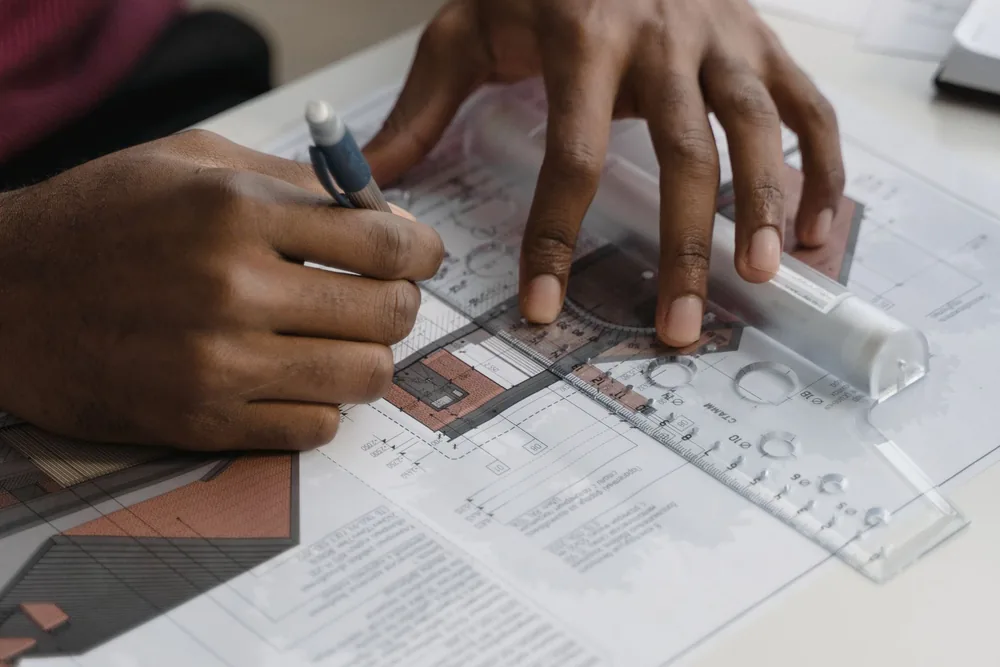
Separating function, dimensions, materials, finish, accessories and packaging makes the response clearer. Give each variant its own reference. Drawings and photographs should include a caption explaining what they represent: inspiration, an expected appearance or a specification to follow.
Priorities matter as much as detail. Some characteristics determine usability; others are desirable but open to discussion. Distinguishing them helps assess alternative proposals and understand the consequences of a change. The documentation must also indicate which requirements need a specialist opinion.
- Product reference and version
- Function and conditions of use
- Measurable characteristics and tolerances to define
- Documents, tests and traceability evidence expected
- Packaging, identification and delivery constraints
Plan from the outset how the decision will be made
Supplier enquiries become difficult to use when acceptance criteria are only discovered on receipt of the sample. Defining visual checks, measurements and specialist testing in advance allows the necessary resources to be prepared. The expected evidence must match the product reference actually proposed.
A colour can be assessed on a reference substrate, assembly on a prototype and a regulatory requirement against identified documentation. These approvals have different scopes. The report must specify what is accepted, what remains subject to a reservation and what has not been examined.
Keep a reference version during supplier enquiries
Every document shared must carry a date and version. If a characteristic changes, all manufacturers consulted receive the same amendment and are asked to explain its effect on their response. Responses already received remain linked to the version on which they were based.
After the supplier enquiry, the product specifications, outstanding issues and sampling decisions provide a basis for follow-up. A concise change history allows someone joining the project to understand the choices without rereading every message.
How Maison Brach prepares this project
Maison Brach structures information and maintains the product specifications throughout the project. We organise manufacturer enquiries, clarifications and approvals so that decisions remain connected to your requirement.
To start defining the project, prepare a description of the intended use, available product references and target markets. An incomplete idea can be reviewed if known information and assumptions are clearly separated.
To gather before the next stage
- The product and its intended use are identified
- Each variant has a reference
- Images are captioned to explain what they show
- Open questions have an owner
- The version shared is dated
Preparation questions
01Can a photograph be enough to send an enquiry?
It can provide a starting point. It must be accompanied by characteristics and constraints that cannot be deduced from the image.
02Who approves technical specifications?
The commissioning business and appropriate specialists, according to their assignments. Maison Brach organises the documentation and questions to address; it does not replace an engineering consultancy.
03Must everything be defined before getting in touch?
You can request project scoping with open points. Known requirements must be distinguishable from assumptions still to be examined.
Sources & further reading
Sources for this guide and further reading. External references let you find the text and the context in which it was published.
Discuss your project
Structuring product specifications
Maison Brach prepares the questions and documents to review with your business.
Explore this support